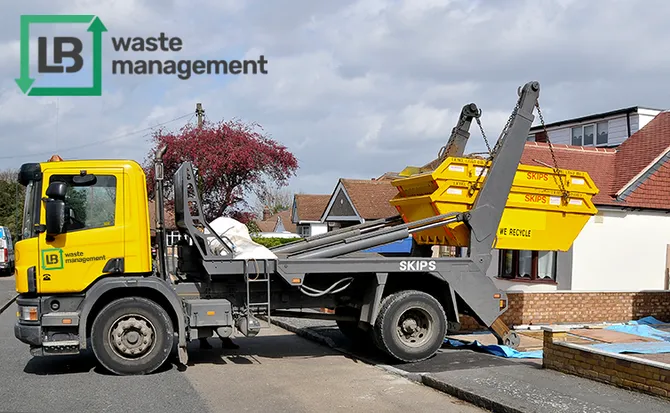
Selecting the right skip size for your project in Aberdeenshire can save you money and prevent the hassle of dealing with overflow or paying for unused capacity. Many people either underestimate their waste volume and end up with an overflowing skip that cannot be collected, or they hire a skip that’s too large and waste money on space they don’t need.
The correct skip size depends on your project type, the nature of your waste, and the space you have available for placement. For example, a small clear-out might only need a 2-3 yard mini skip, whilst a full home renovation could require a 6-8 yard builder’s skip or larger. Heavy materials like bricks and soil have different requirements than lighter household waste, and some projects may even need multiple smaller skips rather than one large container.

We’ll guide you through the available skip sizes in Aberdeenshire, from compact 2-yard mini skips to 40-yard roll-on roll-off containers, and help you understand which option suits your specific needs. By considering factors such as waste type, project scope, and practical constraints, you can make an informed decision that balances cost-efficiency with proper waste management.
Key Takeaways
- Match your skip size to both your waste volume and type, as heavy materials require smaller skips whilst light waste can use larger containers
- Consider practical factors like available space and permit requirements when choosing between mini skips, builder’s skips, and larger options
- Selecting the appropriate size from the start prevents additional costs from overflow issues or paying for unused capacity
Why Selecting the Correct Skip Size Matters
Selecting the right skip size directly affects project costs, waste management efficiency, and legal compliance in Aberdeenshire. The wrong choice leads to wasted money, delayed collections, and potential penalties for overloading or improper waste disposal.
Impacts on Cost and Waste Management
Choosing a skip that’s too small means paying for multiple collections or needing a second hire midway through your project. This doubles both the delivery costs and wait times, disrupting your schedule and budget.
Oversized skips create the opposite problem. You’ll pay for unused capacity that could have been allocated to smaller, more affordable options. In Aberdeenshire, where skip hire prices vary by size and weight limits, even one size category higher can add £30-£50 to your total cost.
The correct skip size ensures efficient waste management throughout your project. You’ll load waste systematically without rushing to fit everything in or leaving materials scattered because there’s too much space. Weight allowances matter too—an 8-yard builder’s skip handles heavy rubble, whilst a 12-yard skip works better for lighter, bulkier materials like wood and plastic.
Common Problems from Wrong Skip Choice
Overloading skips creates immediate complications. UK regulations prohibit filling skips above their rim level, and waste collectors legally refuse to transport overloaded containers. You’ll face additional collection charges or need to remove excess waste yourself before the skip can be collected.
Underestimating your waste volume means interrupting your project to arrange another skip hire. Construction and renovation timelines suffer when waste accumulates with nowhere to put it. Mixing incompatible waste types in an incorrectly sized skip also causes problems—heavy rubble in a large skip designed for light materials exceeds weight limits and incurs surcharges.
Access issues compound these mistakes. A skip that’s too large may not fit in your designated space, requiring permit applications for road placement that weren’t originally planned or budgeted for.
Environmental and Legal Considerations
Aberdeenshire follows strict waste disposal regulations that apply regardless of skip size. Licensed waste carriers must transport your skip to compliant facilities, and overfilled skips violate these legal requirements. Fines and collection refusals result from non-compliance.
The environmental impact of skip hire depends partly on choosing appropriate sizes. Correctly sized skips maximise recycling potential because waste arrives at sorting facilities properly consolidated rather than mixed or compressed from overloading. We reduce unnecessary vehicle movements when one correctly sized skip replaces multiple smaller ones or eliminates return trips for oversized containers.
Road placement permits become necessary when skips occupy public spaces. Local authorities in Aberdeenshire require these permits to ensure traffic safety and accessibility, and the wrong skip size may force unexpected permit applications that delay your project by several days.
Overview of Skip Sizes Available in Aberdeenshire
Skip sizes in Aberdeenshire range from compact 2-yard mini skips suitable for small domestic tasks to large roll-on roll-off skips designed for industrial projects. Each size category serves specific waste disposal needs, with capacity measured in cubic yards and typically compared to the number of standard bin bags it can hold.
Mini Skips: 2-Yard and 4-Yard Options
A 2-yard skip represents the smallest option available in Aberdeenshire. This mini skip measures approximately 4 feet long, 3 feet wide, and 3 feet high, accommodating around 25-35 black bin bags of waste.
We recommend the 2-yard skip for bathroom refits, small garden clearances, and minor decluttering projects. The compact dimensions make it ideal when space is limited on residential properties.
The 4-yard skip offers slightly more capacity at 40-50 bin bags. With dimensions of roughly 6 feet long, 4.3 feet wide, and 3.2 feet high, this mini skip suits small to medium home renovations. It works well for kitchen refits, modest garden waste removal, and lightweight household clearances where a 2-yard would be insufficient.
Midi Skips: 6-Yard and 8-Yard Types
The 6-yard skip is one of the most popular choices for domestic projects in Aberdeenshire. Measuring approximately 10 feet long, 4 feet wide, and 4 feet high, this midi skip holds 50-70 black bin bags. We find it particularly effective for general building work, garden cleanups, and medium-scale renovations.
The 8-yard skip provides increased capacity for more substantial projects. This builders skip typically measures 12 feet long, 5.5 feet wide, and 4 feet high, holding 70-90 bin bags of waste.
It suits extensive house clearances, larger garden projects, and medium-sized construction work. The 8-yard offers a practical middle ground between smaller domestic skips and larger commercial options.
Maxi Skips: 10-Yard, 12-Yard and Larger Skips
A 10-yard skip handles bulky household items and larger construction waste. This maxi skip measures around 12 feet long, 6 feet wide, and 5 feet high, with capacity for 100-120 bin bags. We typically recommend it for complete house clearances, office refurbishments, and extensive renovation projects.
The 12-yard skip accommodates 120-130 bin bags in dimensions of approximately 13 feet long, 6 feet wide, and 6 feet high. This size suits larger commercial projects with lighter materials.
The 14-yard skip represents the largest standard option at 13.5 feet long, 6.5 feet wide, and 6 feet high. It holds 140-150 bin bags and serves large-scale commercial work, construction sites, and industrial waste removal.
Roll-on Roll-off Skips
Roll-on roll-off skips serve major commercial and industrial projects in Aberdeenshire. These large containers typically range from 16-yard to 40-yard capacity, delivered by specialist vehicles that roll them on and off the lorry.
We supply roll-on roll-off options for construction sites, demolition work, and large-scale waste operations. The 20-yard and 40-yard sizes are particularly common, offering substantial capacity for heavy materials like concrete, bricks, and soil.
These skips require adequate access and space for delivery. They suit projects generating significant waste volumes that would require multiple collections with standard skip sizes.
Key Factors in Choosing Skip Size
Selecting the appropriate skip size requires careful consideration of your waste volume, material types, and project timeline. Understanding weight restrictions and capacity measurements ensures you avoid additional costs while managing your waste efficiently.
Estimating Waste Volume and Type
Accurate waste volume estimation prevents ordering a skip that’s too small or unnecessarily large. We recommend counting the number of bin bags you expect to fill, as mini skips typically hold 20-30 bags, whilst larger 8-yard builders’ skips accommodate approximately 80 bags.
Different materials affect your capacity calculations significantly. General waste from household clearances compacts more easily than rigid items like furniture or appliances. Garden waste, including soil and hedge trimmings, requires more space due to irregular shapes.
We suggest measuring your waste pile dimensions and multiplying length by width by height to estimate cubic metres or cubic yards. One cubic metre equals roughly 1.3 cubic yards. Breaking down bulky items before disposal maximises your available skip capacity and may allow you to choose a smaller, more cost-effective size.
Assessing Capacity and Weight Limits
Every skip size has specific weight limits that affect pricing and legal compliance. Standard 6-8 yard builders’ skips typically allow 8-10 tonnes, whilst smaller 4-yard midi skips accommodate 4-5 tonnes.
Heavy materials like soil, rubble, concrete, and bricks reach weight limits quickly despite not filling the skip volume. We often recommend ordering a larger skip for dense materials to stay within legal weight restrictions. Mixing heavy materials with lighter waste helps distribute weight more effectively.
Most skip hire companies charge extra for overweight loads, as lorries cannot legally transport skips exceeding permitted limits. When disposing of construction waste, we calculate weight separately from volume to avoid unexpected fees.
Project Scope and Duration
Your project scope directly influences the skip size you need. Small bathroom renovations typically require 4-6 cubic yard skips, whilst whole-house clearances or extensions need 10-12 cubic yard options.
Project duration affects whether you need multiple smaller skips or one larger capacity option. Short weekend projects suit single skip hires, whilst lengthy renovations may benefit from periodic waste removal with smaller skips. We consider site access restrictions in Aberdeenshire’s rural areas, where narrow lanes or limited space dictate maximum skip dimensions regardless of capacity needs.
Permit requirements for road placement extend your planning timeline, making accurate size selection crucial the first time.
Matching Skip Size to Project Type
Different projects generate distinct types and volumes of waste, requiring careful consideration when selecting skip capacity. The amount of waste from a home renovation differs significantly from garden clearance projects, with material density and bulk affecting which skip size provides the best value.
Home Renovations
Home renovations typically produce between 3 and 8 cubic yards of waste, depending on the project scope. A whole-house refurbishment in Aberdeenshire generates mixed waste streams including plasterboard, old fixtures, flooring materials, and packaging.
We find that 6-8 yard skips work well for most moderate home renovation projects. These sizes accommodate bulky items like old furniture and doors whilst handling denser materials such as tiles and plasterboard. If you’re renovating multiple rooms simultaneously, an 8-yard skip prevents the need for multiple collections.
Single-room renovations usually manage with smaller capacities. A 4-yard skip suits bedroom or small living room projects where you’re replacing carpets, redecorating, and disposing of modest amounts of furniture. For larger spaces or projects involving structural changes, stepping up to a 6-yard option provides adequate headroom without paying for unused capacity.
Access considerations matter in Aberdeenshire properties, particularly in rural areas or older town centres. Measure your driveway or placement area before ordering, as larger skips require more space for safe delivery and collection.
Kitchen and Bathroom Refurbishments
Kitchen renovations generate surprisingly dense waste despite modest room dimensions. Old cabinets, worktops, ceramic tiles, and appliances combine to create heavy, bulky loads. We typically see these projects producing 2.5-4 cubic yards of waste, but the weight of materials requires careful skip selection.
A 6-yard skip represents the optimal choice for standard kitchen renovations. This capacity handles cabinet disposal, old appliances, worktop removal, and flooring materials without approaching weight limits. Ceramic tiles and concrete worktops significantly increase load density, making larger skips necessary even when volume seems modest.
Bathroom renovations present similar challenges in compact spaces. A typical bathroom refurbishment produces approximately 2 cubic yards of waste, but ceramic fixtures, tiles, and concrete substrates create concentrated loads. We recommend 4-6 yard skips for bathroom projects, with the larger size necessary when removing multiple suites or dealing with concrete substrate removal.
Consider material segregation opportunities. Separating metal fixtures and copper piping can reduce overall waste volume whilst potentially generating modest scrap value through proper recycling channels.
Garden Clearance and Outdoor Projects
Garden clearance projects vary substantially based on scope and seasonal factors. Basic garden maintenance generates predominantly organic material, whilst comprehensive landscaping produces mixed waste including soil, hardcore, and green waste. Most garden clearances in Aberdeenshire produce between 3 and 8 cubic yards of waste.
Green waste composition significantly affects skip requirements:
- Grass cuttings and hedge trimmings compress well but increase weight when wet
- Soil and hardcore dramatically raise overall load density
- Tree branches and roots create bulky loads requiring larger volumetric capacity
A 6-yard skip suits most standard garden clearances, including seasonal pruning, lawn renovation, and modest landscaping work. Larger projects involving soil removal, extensive tree work, or complete garden redesigns benefit from 8-yard capacity.
We recommend timing garden clearances during drier months when possible. Waterlogged soil and saturated green waste substantially increase weight, potentially requiring additional charges or collection complications. If your project includes significant soil removal, discuss weight restrictions with your skip hire provider before booking.
Practical Considerations for Skip Hire
Beyond selecting the correct capacity, successful skip hire depends on practical logistics including where the skip can be positioned, understanding delivery procedures, and ensuring compliance with local regulations in Aberdeenshire.
Site Access and Skip Placement
We need to ensure our property has adequate access for skip delivery vehicles, which typically require a minimum width of 3 metres and overhead clearance of 4.5 metres. Narrow driveways, low-hanging trees, or parked cars can prevent delivery and result in wasted call-out fees.
The skip must sit on a firm, level surface capable of supporting its weight when full. Concrete driveways and tarmac are ideal, whilst soft ground or newly laid surfaces risk damage. We should place protective boards beneath the skip if we’re concerned about surface marking or indentation.
Private property placement offers the most flexibility and avoids permit requirements. However, we must position the skip away from property boundaries where possible and ensure it doesn’t obstruct vehicle access or pedestrian walkways.
Skip Delivery, Collection and Permits
Skip delivery in Aberdeen and surrounding areas typically occurs within 24-48 hours of booking, though we should allow longer during peak periods. The hire period usually runs for two weeks, with extensions available at additional cost.
If we cannot place the skip on private property, we’ll need a skip hire permit from our local council to position it on a public highway. Permit applications take 3-5 working days to process and cost between £20-£40 in most Aberdeenshire councils. The skip must display reflective markings and warning lights when placed on public roads.
We must inform the skip hire company of the exact placement location when booking to ensure they arrange necessary permits on our behalf.
Local Council Requirements
Aberdeenshire Council and Aberdeen City Council enforce specific regulations regarding skip placement and usage. Skips on public highways must not obstruct traffic flow, pedestrian access, or street furniture such as lamp posts and bus stops.
We cannot place skips on grass verges or pavements without explicit council permission. Additionally, we must ensure the skip doesn’t exceed the permitted fill level, as overfilled skips create safety hazards and cannot be collected legally.
Prohibited items including asbestos, electrical equipment, tyres, and hazardous materials require separate disposal arrangements. Loading these into a skip may result in collection refusal and additional disposal charges.
Cost and Environmental Aspects
Skip hire costs in Aberdeenshire vary based on size and duration, whilst proper waste disposal practices ensure compliance with environmental regulations. Understanding pricing structures and recycling requirements helps you budget effectively whilst supporting sustainable waste management.
Understanding Skip Hire Prices
Skip hire prices in Aberdeenshire typically range from £150 to £400 depending on the size you choose. Mini skips (2-4 yards) are the most affordable option, whilst larger skips (8-12 yards) command higher prices due to increased disposal costs.
The final cost includes several components:
- Skip size and hire duration (usually 7-14 days)
- Delivery and collection charges
- Waste disposal and processing fees
- Council permits for road placement (£20-50)
We recommend confirming whether quotes include all these elements to avoid unexpected charges. Some providers charge extra if you exceed weight limits, particularly with heavy materials like soil or rubble.
Longer hire periods often attract discounts. Many companies offer reduced rates if you book multiple skips simultaneously or extend your hire duration beyond the standard period.
Recycling and Prohibited Items
Waste management companies in Aberdeenshire must comply with strict recycling regulations. Most providers recycle up to 90% of general waste collected in skips, diverting materials from landfill sites through sorting facilities.
Prohibited items that cannot be placed in standard skips include:
- Asbestos and asbestos-containing materials
- Batteries and electrical equipment
- Chemicals, paints and solvents
- Fluorescent tubes and light bulbs
- Medical or clinical waste
- Tyres and gas cylinders
Disposing of prohibited items in skips can result in substantial fines and additional collection fees. We advise contacting your local recycling centre for hazardous waste disposal or arranging specialist collection services.
General waste, garden waste and construction materials are typically accepted. Separating recyclable materials before loading can sometimes reduce disposal costs whilst supporting environmental responsibility.
Working with Skip Hire Companies in Aberdeenshire
The key to successful skip hire lies in choosing a reputable provider and coordinating logistics properly. Local skip hire companies in Aberdeenshire offer varying levels of service, pricing structures, and availability.
Selecting a Reliable Skip Hire Service
We recommend researching multiple skip hire companies before making a decision. Local providers often offer more competitive rates than national chains, as they operate without the markup added by larger corporations. When evaluating skip hire services, we should verify they hold proper waste carrier licences and environmental permits.
Customer service quality matters significantly when problems arise. Companies that employ local staff typically respond faster to queries and can accommodate last-minute changes more flexibly. We should request quotes from at least three providers to compare pricing, included hire periods, and weight allowances.
Reading reviews from previous customers helps identify reliable skip hire companies. We should look for feedback regarding punctuality, driver professionalism, and whether the company honours its quoted prices. Some providers charge extra fees for permit arrangements, overweight loads, or extended hire periods that aren’t clear in initial quotes.
Arranging Delivery and Collection
We need to specify exact delivery dates and provide clear access instructions when booking. Most skip hire services require at least 24-48 hours’ notice, though next-day delivery may be available. We should measure the intended location to confirm the skip will fit, allowing extra space for the delivery vehicle to manoeuvre.
If placing the skip on a public road or pavement, we must obtain a permit from the local council. Some skip hire companies arrange this on our behalf for an additional fee, whilst others require us to handle it independently. The permit process typically takes 3-5 working days.
We should clarify collection arrangements at the time of booking. Most companies offer flexible collection dates, but we need to provide reasonable notice when the skip is ready for removal. We must ensure the skip remains accessible and not blocked by parked vehicles on collection day.
Frequently Asked Questions
Selecting the appropriate skip size in Aberdeenshire requires understanding weight limits, volume calculations, permit requirements, and how different waste types affect your choice. These practical considerations ensure you hire the most cost-effective option whilst complying with local regulations.
What factors should I consider when selecting a skip size for my project?
The scope of your project is the primary factor when choosing a skip size. A bathroom renovation requires significantly less capacity than a full house clearance or construction project.
Space availability on your property directly impacts which skip sizes we can deliver. We need adequate access for our lorries and sufficient room for the skip itself, typically requiring at least 3 metres of clearance.
Your budget plays a role in skip selection. Whilst larger skips cost more initially, they can be more economical than hiring multiple smaller ones or paying overfill charges.
The hire duration affects your choice as well. Longer projects might benefit from larger skips or multiple exchanges rather than trying to compact waste into undersized containers.
How do I estimate the volume of waste for different types of projects?
For household projects, we recommend visualising your waste in standard bin bags. A 4-yard midi skip holds approximately 40-50 bags, whilst an 8-yard skip accommodates roughly 80-100 bags.
Room-by-room estimates help with accuracy. A single room clearance typically generates 2-4 cubic yards of waste, whereas a complete house clearance might require 10-12 cubic yards.
Construction waste requires different calculations due to varying densities. Heavy materials like soil, concrete, and bricks fill skips faster by weight than volume, often reaching weight limits at 50-60% capacity.
Garden waste varies seasonally and by project type. Hedge trimming and grass cuttings are bulky but light, whilst soil and turf are compact but heavy, affecting skip size choices differently.
What are the implications of choosing a skip that’s too large or too small?
Hiring an oversized skip means paying for unused capacity. The price difference between skip sizes in Aberdeenshire typically ranges from £20-50, making this an unnecessary expense for smaller projects.
Undersized skips create multiple problems we see regularly. Overfilling is illegal and often results in collection refusal, additional charges of £50-100, or requirements for a second skip.
Skip sizes that don’t match your needs can extend project timelines. Waiting for exchanges or additional deliveries disrupts work schedules and can increase overall labour costs.
Incorrect sizing sometimes leads to improper waste disposal practices. When skips fill too quickly, some people resort to illegal fly-tipping or cramming waste unsafely, both of which carry substantial fines.
Could you outline the range of skip sizes available for hire in the area?
Mini skips of 2-3 cubic yards suit small domestic projects like garden tidy-ups or single room clearances. These compact options fit into tight spaces and hold approximately 20-40 bin bags.
Midi skips at 4-6 cubic yards are our most popular sizes for Aberdeenshire homeowners. They handle kitchen or bathroom renovations, moderate garden projects, and general household clearances effectively.
Maxi skips of 8-10 cubic yards accommodate substantial renovation work, whole house clearances, or larger construction projects. These require more access space but provide significantly greater capacity.
Large builders’ skips of 12-14 cubic yards and roll-on roll-off containers up to 40 cubic yards serve major construction sites, commercial demolitions, and industrial clearances throughout Aberdeenshire.
What restrictions or permits are necessary for skip placement in Aberdeenshire?
You need a skip permit from your local council if placing the skip on any public road, pavement, or verge. Private property placement such as driveways or gardens doesn’t require permits.
Aberdeenshire Council typically processes permit applications within 3-5 working days. We recommend applying at least one week before your planned delivery date to avoid delays.
Permit costs vary across Aberdeenshire’s different council areas, generally ranging from £25-60 for a standard 14-day period. Some councils offer extended permits for longer projects at additional cost.
Skips on public roads must display proper lighting and reflective markings for safety. Failure to obtain required permits can result in fines up to £1,000 from the council.
How does the type of waste I have affect the choice of skip size?
Heavy materials like soil, concrete, bricks, and rubble reach weight limits quickly regardless of volume. We typically recommend 4-6 yard skips for these materials to avoid exceeding the 8-10 tonne weight restriction.
Light, bulky waste such as packaging, cardboard, and garden trimmings fills skips by volume rather than weight. Larger 8-10 yard skips work better for these materials as you can utilise the full capacity.
Mixed waste from household clearances requires balanced consideration. Furniture, household items, and general rubbish typically suit 6-8 yard skips for average homes.
Prohibited items cannot go in any skip regardless of size. These include asbestos, batteries, electrical items, tyres, and hazardous chemicals, which require specialist disposal services we can arrange separately.